Existing Glass Upgrades

WINDOW FILM UPGRADES FOR EXISTING GLASS WITHOUT FULL WINDOW REPLACEMENT

A retrofit pathway for improving heat, glare, UV and privacy performance on existing glazing where full window replacement is unnecessary or not practical.

Existing Glass Upgrades

A retrofit pathway for improving heat, glare, UV and privacy performance on existing glazing where full window replacement is unnecessary or not practical.

Many properties do not need full window replacement to solve heat, glare or fading problems. They need the right retrofit strategy.

Window film can often improve existing glazing at a fraction of the cost and disruption of replacing the whole window system, provided the glass is suitable and the film is specified properly.
Key benefits

Improve comfort and glare control without replacing the whole window system.

Reduce solar heat gain and UV exposure on existing homes and commercial buildings.

Use film as a practical retrofit where budgets or building constraints make replacement unrealistic.

Compare clearer, darker, reflective and spectrally selective options against the actual glass.

Get honest advice where Low-E, double glazing or thermal stress risk changes the recommendation.

Keep the upgrade targeted to the rooms, facades or problem panes that matter most.

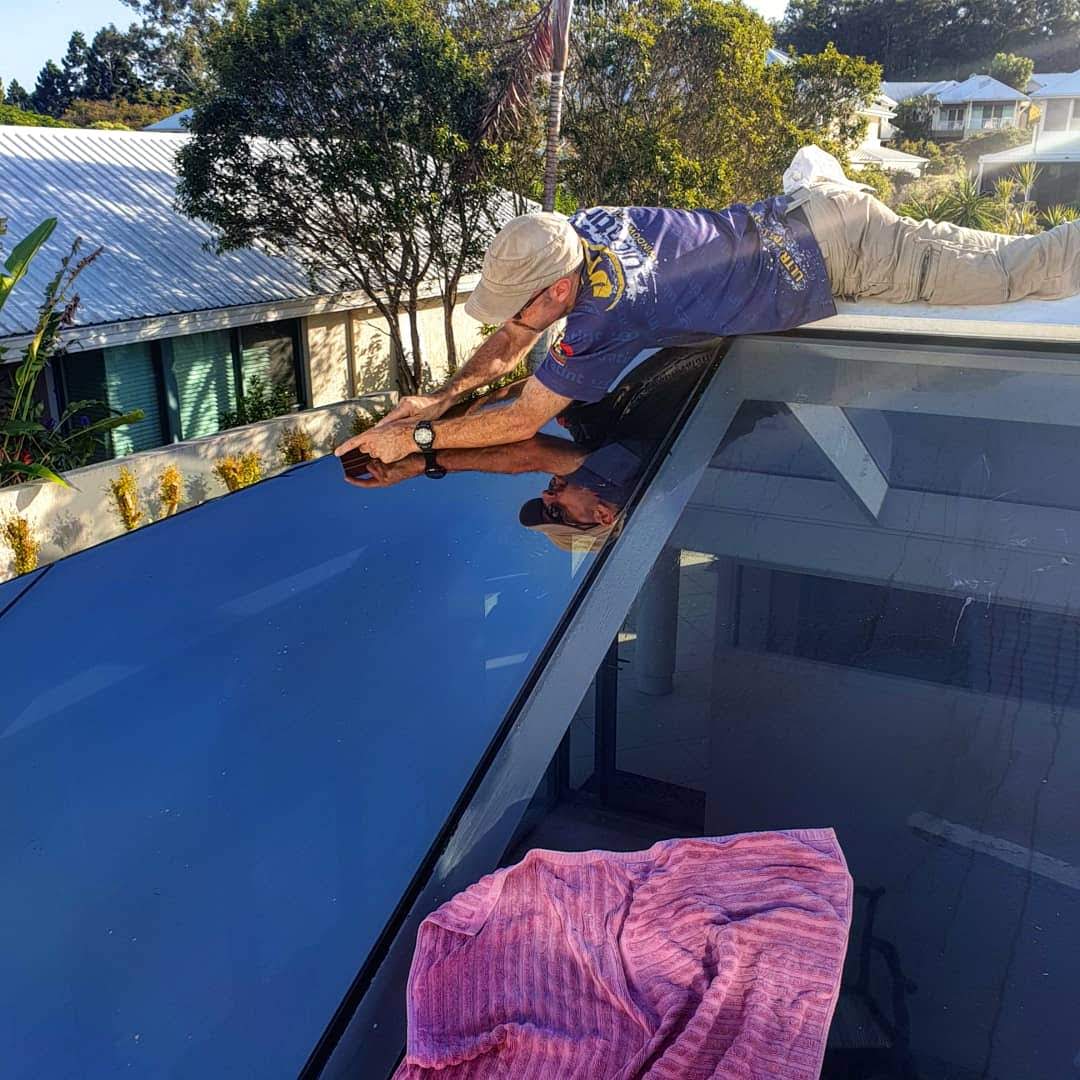
Existing residential glazing upgraded with window film.

Why retrofit existing glass

Retrofitting existing glass makes sense when the windows are still serviceable but the indoor comfort is not.

That is common in west-facing living rooms, office facades, reception areas, glazed stairwells and older homes or buildings that were never designed for modern heat loads.

Film can target the problem panes without the cost, mess and timing issues that come with full glazing replacement.

What can be improved

A good retrofit is not just about darkening the glass. It is about matching the film to the actual problem.

  • Heat reduction in hot rooms and exposed facades
  • Glare control around screens and living areas
  • UV reduction to help protect furnishings and finishes
  • Daytime privacy for exposed windows
  • Safer breakage behaviour where appropriate film systems are used
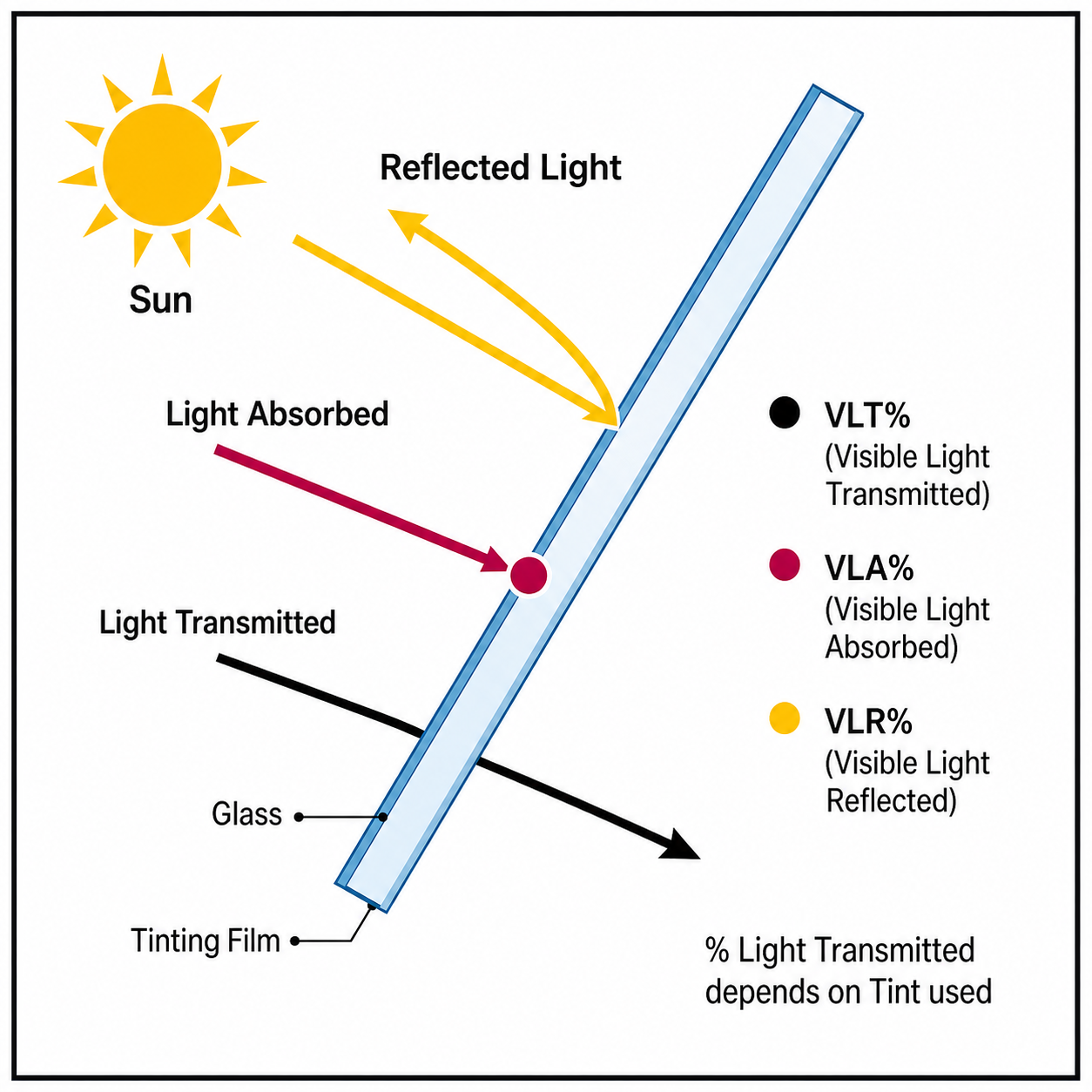
Technical diagram explaining glazing performance and film selection.

Where caution is needed

Not every pane is a simple retrofit. Low-E glass, some double glazed units, unusual pane sizes, edge shading and certain frame conditions can change what is safe.

This is where experience matters. The wrong film on the wrong glass can create thermal stress and avoidable warranty problems.

If your glazing needs extra caution, we explain that clearly and recommend the safest path rather than forcing a sale.

Residential and commercial upgrade pathways

For homes, retrofit work is often about improving everyday comfort without making the house look overdone.

For commercial buildings, it is often about hot spots, glare, presentation, tenant comfort and avoiding a major capital works program when a targeted film upgrade can do the job.

The glass may be existing, but the recommendation still needs to be specific to the building.

Low-E and compatibility checks

If Low-E glass or double glazing may be involved, we treat compatibility as a technical assessment, not a guess.

That is why we maintain separate guidance on Low-E glass and why we sometimes advise against internal film where the risk is not acceptable.

What the upgrade process looks like

We assess the glazing, discuss the main problem, compare realistic film directions and then recommend a practical next step.

Some projects only need a few key panes addressed. Others need a whole facade strategy. Either way, the aim is the same: improve the existing glass without creating a new problem.

FAQs

Can window film upgrade old windows without replacing them?

Often, yes. If the existing glass is suitable, film can improve comfort, glare control, UV reduction and privacy without full replacement.

Will this work on all existing glass?

No. Some glazing types need careful compatibility checks, especially Low-E glass, double glazed units and large exposed panes.

Is retrofit film only for homes?

No. It is commonly used on both residential and commercial glazing where the existing windows are serviceable but the performance is poor.

What if my glass is Low-E?

Low-E glass can change the recommendation. We assess it separately because internal film is not always the safe option.

Request a Quote

Speak with Ultra Tint about the right window film solution for your home, office or marine project.

(07) 55313955Request a Quote