Commercial window film

Commercial Window Tinting Gold Coast

Improve workplace comfort, privacy and presentation with professional commercial window film

Ultra Tint installs commercial window tinting across the Gold Coast, Brisbane and surrounding areas. We help businesses reduce heat, glare and UV exposure while improving privacy, comfort and the appearance of their premises.

Commercial window film is commonly used in offices, retail spaces, showrooms, medical suites, schools, hospitality venues, body corporate buildings and commercial fit-outs.

We use premium films, including 3M products, and install them with the care, planning and precision required in active commercial environments.

Most commercial projects are completed with minimal disruption to staff, customers and daily operations.

Established 1977

Decades of commercial window film experience

Established on the Gold Coast in 1977, Ultra Tint brings decades of window tinting experience to offices, shopfronts, body corporates, resorts and commercial buildings. For the past 20 years, owner Kevin Humphreys has led the business with a focus on reliable advice, premium film selection and professional installation standards.
Direct answer

Commercial window tinting helps reduce heat, glare and UV exposure in offices, shopfronts, schools, medical suites and commercial buildings. The right film depends on the glass, business use, privacy needs and appearance requirements.

Why businesses choose it

Why businesses choose commercial window tinting

Commercial window tinting is a practical way to improve the performance of existing glass without replacing the windows.

It can help with:

  • Heat reduction in offices, shopfronts and exposed workspaces
  • Glare control for screens, desks, reception areas and meeting rooms
  • UV protection to help reduce fading of flooring, displays, furnishings and stock
  • Daytime privacy for offices, consultation rooms and street-facing glass
  • Improved comfort for staff, clients and visitors
  • A more professional exterior appearance
  • Reduced reliance on blinds, curtains or temporary shade solutions

Commercial applications

Commercial spaces we commonly tint

Offices and workplaces

Office window tinting helps reduce heat and glare, especially where staff work near exposed glass or computer screens.

Best for:

  • Workstations
  • Meeting rooms
  • Reception areas
  • Boardrooms
  • Executive offices

Retail and shopfronts

Shopfront window film can improve comfort, reduce UV exposure and help protect displays, stock and interior finishes from harsh sunlight.

Best for:

  • Retail stores
  • Showrooms
  • Display windows
  • Shopping centre tenancies
  • Street-facing glass

Medical, dental and consulting rooms

Privacy, glare control and patient comfort are often key priorities in consulting environments. The right window film can improve discretion without making the space feel closed in.

Best for:

  • Medical suites
  • Dental clinics
  • Allied health rooms
  • Waiting areas
  • Private offices

Schools and education spaces

Window film can help reduce heat and glare in classrooms, administration areas and shared learning spaces while maintaining natural light.

Best for:

  • Classrooms
  • Libraries
  • Administration buildings
  • Staff rooms
  • Multipurpose rooms

Hospitality and public-facing venues

Restaurants, cafes, clubs and hospitality venues often use window film to reduce heat, control glare and improve comfort for guests.

Best for:

  • Dining areas
  • Bar spaces
  • Function rooms
  • Street-facing glass
  • West-facing exposed areas

Body corporate and strata buildings

Commercial and multi-tenancy buildings often require a consistent appearance across multiple windows. Film selection should consider performance, appearance, access, building rules and long-term durability.

Best for:

  • Apartment common areas
  • Entry foyers
  • Shared facilities
  • Building facades
  • Commercial strata properties

Business case

The business case for commercial window film

Commercial window film is not only about making glass darker. The right film can improve comfort, reduce distractions and help protect the interior fit-out.

For business owners, facility managers and body corporate committees, the main benefits are usually practical:

  • Reduced heat through exposed glass
  • Less glare on screens and work surfaces
  • Improved staff and customer comfort
  • Better protection for furniture, flooring, displays and stock
  • Increased daytime privacy
  • A cleaner and more consistent building appearance
  • Less reliance on blinds or temporary shading

A well-selected film can improve how a space feels and functions every day.

Specification matters

The right film depends on the building

Not every commercial window film is suitable for every building.

Glass type, building orientation, window size, external shading, internal blinds, frame condition and access all matter. Choosing the wrong film can reduce performance, create visual inconsistency or increase glass stress risk.

A commercial tinting job should be specified properly, not guessed from a product brochure.

Film options

Common commercial window film options

Solar control films

Solar control films are designed to reduce solar heat entering through commercial glass. They are commonly used on west-facing offices, exposed shopfronts and buildings with large areas of glass.

Best for:

  • Heat reduction
  • Air-conditioned spaces
  • Exposed facades
  • Offices and retail tenancies
  • Improving comfort during Queensland summers

Glare reduction films

Glare reduction films help reduce harsh light without necessarily making the space feel dark. They are useful where staff or customers are affected by screen glare, bright work surfaces or direct sunlight.

Best for:

  • Computer screens
  • Reception desks
  • Meeting rooms
  • Classrooms
  • Customer waiting areas

Privacy and reflective films

Privacy films reduce visibility into the building during daylight hours. They can be useful for offices, consultation rooms, street-facing tenancies and spaces where discretion matters.

Many privacy films perform best during the day. At night, if the inside is brighter than outside, privacy may be reduced.

Best for:

  • Street-facing offices
  • Consulting rooms
  • Shopfronts
  • Reception areas
  • Ground-floor tenancies

UV protection films

Most quality commercial films block a very high percentage of ultraviolet light, helping reduce fading of furniture, flooring, artwork, stock and display materials.

UV protection helps slow fading. It does not stop fading completely, because visible light and heat also contribute.

Best for:

  • Retail displays
  • Timber flooring
  • Furnished offices
  • Showrooms
  • Interior fit-outs

Recent commercial work

Commercial film should perform well and still look right on the building

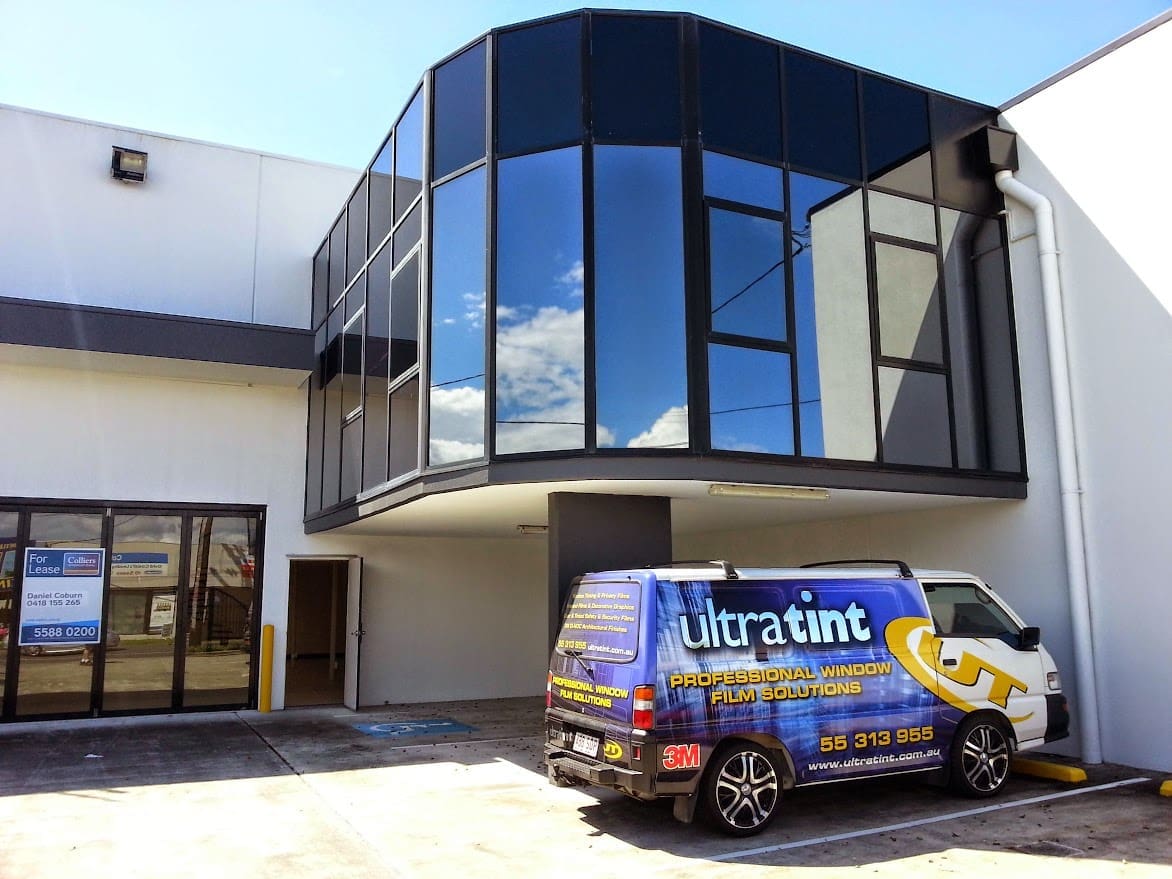
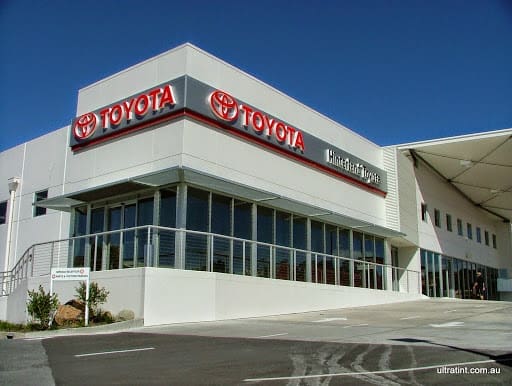
Commercial glazing installation on a Gold Coast office building.
Commercial glazing with a cleaner, cooler finish
Commercial interior privacy and decorative film application.
Privacy and presentation for interior business spaces
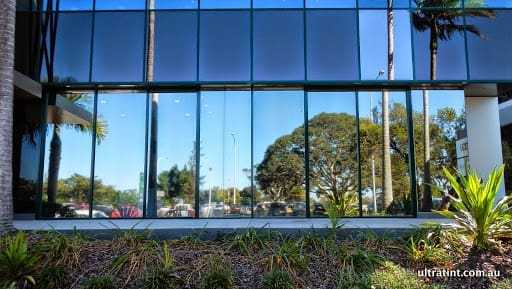
Commercial glazing reducing glare and sun load on a business exterior.
Glare control for exposed commercial glazing

Project flow

Our commercial tinting process

1

Site assessment

We inspect the glass, assess sun exposure, discuss the business requirement and identify suitable film options.

2

Film recommendation

We recommend films based on heat, glare, privacy, appearance, glass compatibility and the way the space is used.

3

Clear commercial quote

You receive a clear quote outlining the recommended film, scope of work, access requirements and expected installation timing.

4

Scheduling and site planning

We plan the installation around business operations where possible, including access, safety, staff movement and customer disruption.

5

Professional installation

The film is installed using proper preparation methods, precision tools and clean work practices suitable for commercial environments.

6

Aftercare and handover

We explain drying times, cleaning requirements and what to expect while the film cures.

How much does commercial window tinting cost?

Commercial window tinting pricing depends on:

  • Total glass area
  • Film type
  • Number of individual panes
  • Access requirements
  • Site conditions
  • Height or equipment requirements
  • Whether old film needs to be removed
  • Scheduling requirements
  • Travel and location

Small commercial jobs may start from a few hundred dollars, while larger offices, shopfronts and commercial buildings can vary significantly depending on glass area, film selection and access.

The most accurate way to price commercial tinting is with a site assessment and measured quote. This ensures the right film is specified and the installation is planned properly.

Can commercial window film reduce energy costs?

Commercial window film can reduce solar heat entering through glass, which may reduce the load on air-conditioning systems in some buildings.

The result depends on the building, glazing, exposure, air-conditioning system, film selected and how the space is used.

Window film should not be treated as a guaranteed energy-saving product in isolation. Its strongest benefits are usually improved comfort, reduced glare, UV protection and better use of the space.

Will commercial tinting make the building too dark?

Not necessarily.

Modern commercial films are available in different shades, reflectivity levels and performance profiles. Some films are designed to reduce heat while maintaining a lighter appearance. Others are darker or more reflective for stronger glare, privacy or visual impact.

The best film depends on the building, the brand image, the internal space and the result required.

Can window film be installed after hours?

In many cases, yes.

Commercial installations can often be scheduled to reduce disruption to staff, customers and normal operations. This depends on the size of the job, access requirements, location and site rules.

Scheduling should be discussed during the quote process so the work can be planned properly.

Can commercial window tint cause glass to crack?

Window film can increase thermal stress on some types of glass if the wrong film is used. This is why proper film selection is important in commercial buildings.

The risk depends on factors such as glass type, pane size, shading, frame condition, existing damage and sun exposure.

Commercial glazing can include Low-E coatings that affect film suitability. Read our guide to window film and Low-E glass.

A professional installer should assess the glass before recommending a film. Ultra Tint takes this seriously because commercial glass can be expensive, difficult to replace and disruptive when problems occur.

Why choose Ultra Tint for commercial window tinting?

Ultra Tint brings technical experience, premium film knowledge and professional installation standards to commercial projects across the Gold Coast and Brisbane.

Our work is backed by:

  • Premium film options, including 3M products
  • Extensive industry experience
  • Technical understanding of glass and film compatibility
  • Clean, careful commercial installation
  • A 100% workmanship guarantee
  • Residential, commercial and marine tinting expertise
  • Experience working in active business environments

We do not recommend film simply because it is dark, cheap or easy to sell. We recommend the film that suits the glass, the building and the commercial outcome required.

FAQs

Does commercial window tinting reduce heat?

Yes. The right commercial window film can reduce solar heat entering through glass. The result depends on the film selected, the glass type, sun exposure and building layout.

Can window film help with office glare?

Yes. Glare reduction is one of the most common reasons businesses install commercial window film, especially where staff use computers or customers sit near exposed glass.

Can commercial window tint improve privacy?

Yes, during daylight hours. Privacy films can reduce visibility from outside, but many films become less private at night when the building is brighter inside than outside.

Is commercial window tinting suitable for shopfronts?

Yes. Shopfront window film can reduce heat, glare and UV exposure while improving comfort and presentation. The right film should be selected carefully so it does not make the business look closed or uninviting.

Does window film protect stock and interiors from fading?

Window film helps reduce fading by blocking ultraviolet light and reducing heat and visible light exposure. It slows the fading process, but no film can stop fading completely.

Can you tint windows while the business is operating?

Often, yes. Many commercial installations can be completed with minimal disruption, depending on access, safety requirements and the layout of the premises.

Do you remove old commercial window film?

Yes. Old film can usually be removed, although removal time depends on the age, condition and adhesive quality of the existing film.

Is commercial window tinting covered by warranty?

Product and workmanship warranty details depend on the film selected and the application. Ultra Tint provides clear guidance before installation.

Related guides and links

Best Window Film for Heat Reduction in Queensland

Compare options for high-heat and high-glare commercial glazing.

Read the guide

Can Window Tint Cause Glass to Crack?

Understand thermal stress considerations before commercial film selection.

Read the guide

Window Film Aftercare & Cleaning Guide

Set correct aftercare expectations for staff, cleaners and facilities teams.

Read the guide

Window Film & Low-E Glass

See why internal film is not always suitable on Low-E commercial glazing.

Read the guide

Book a commercial window tinting quote

If your office, shopfront or commercial building is too hot, too bright or lacking privacy, Ultra Tint can inspect the glass and recommend the right film for the job.

Book a commercial quote and get a clear recommendation before committing to the work.

(07) 55313955Request a Quote