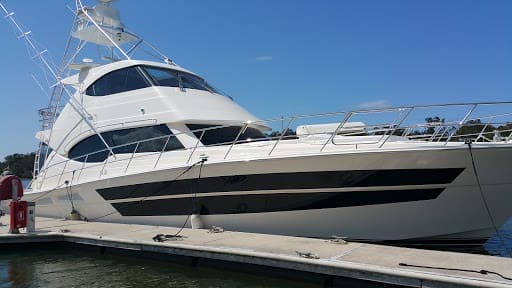
Specialist window film for boats, yachts and marine glass
Ultra Tint installs marine window tinting across the Gold Coast, including boats, yachts, marine vessels and waterfront properties with specialist glazing requirements.
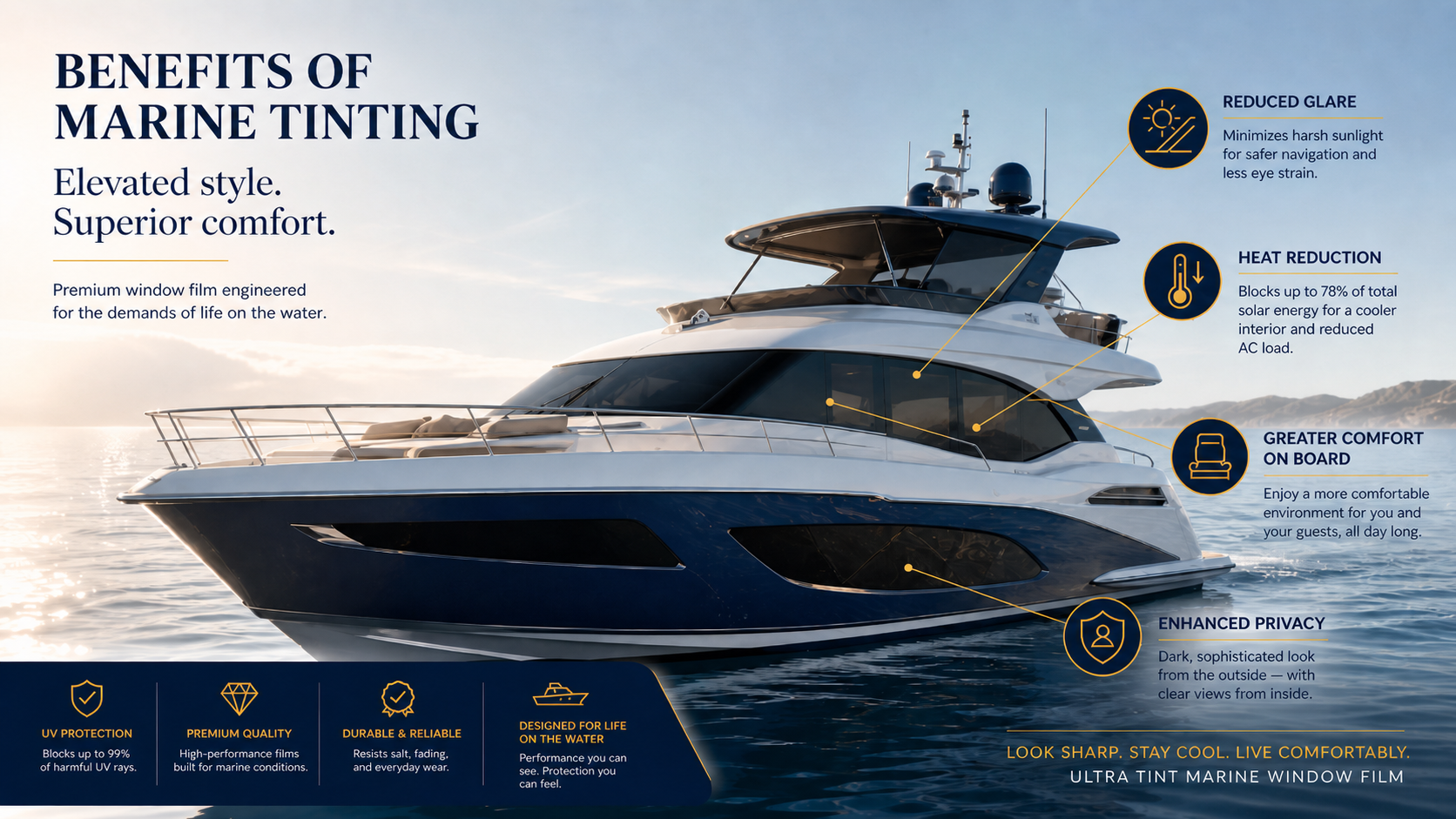
Marine window tinting helps reduce heat, glare and UV exposure while improving privacy, comfort and the appearance of the vessel.
Boat and yacht glass often presents challenges that are different from standard residential or commercial windows. Curved glass, salt exposure, difficult access, high glare and premium interior finishes all need to be considered before selecting a film.
Ultra Tint uses premium films, including 3M products, and installs them with the care and precision required for marine environments.
Marine window tinting reduces heat, glare and UV exposure on boats and yachts while improving comfort, privacy and interior protection. Marine glass requires careful film selection because of curved glass, salt exposure, reflected glare and premium finishes.
Why it is different
Why marine window tinting is different
Marine tinting is not the same as tinting a house or office.
Boats and yachts are exposed to harsh reflected light, salt air, heat, movement and tight installation areas. The glass may be curved, angled, laminated, framed differently or difficult to access.
A marine film installation needs to consider:
High glare from water reflection
Heat buildup inside cabins and saloons
UV exposure to upholstery, timber, flooring and electronics
Privacy at marinas and anchorages
Curved or complex marine glass
Salt and moisture exposure
Access around helm stations, cabins and enclosed areas
The visual appearance of the vessel
The right film improves comfort and presentation. The wrong film can look poor, fail early or create avoidable risk.
Practical benefits
Benefits of marine window tinting
Marine window film can help improve the comfort and usability of a vessel, especially in exposed Queensland conditions.
It can help with:
Reducing cabin heat
Reducing glare from water and sunlight
Improving visibility comfort at the helm
Protecting interiors from UV exposure
Helping reduce fading of upholstery, timber and finishes
Improving daytime privacy
Enhancing the appearance of the vessel
Making enclosed areas more comfortable for passengers and crew
Window film will not remove all heat or glare. It will, however, make a meaningful difference when the correct film is selected for the glass, exposure and use of the vessel.
Window film can reduce heat and glare through cabin glass, saloon windows and enclosed helm areas.
Best for:
Cabin windows
Saloon glass
Helm areas
Side windows
Rear glass
Yachts and luxury vessels
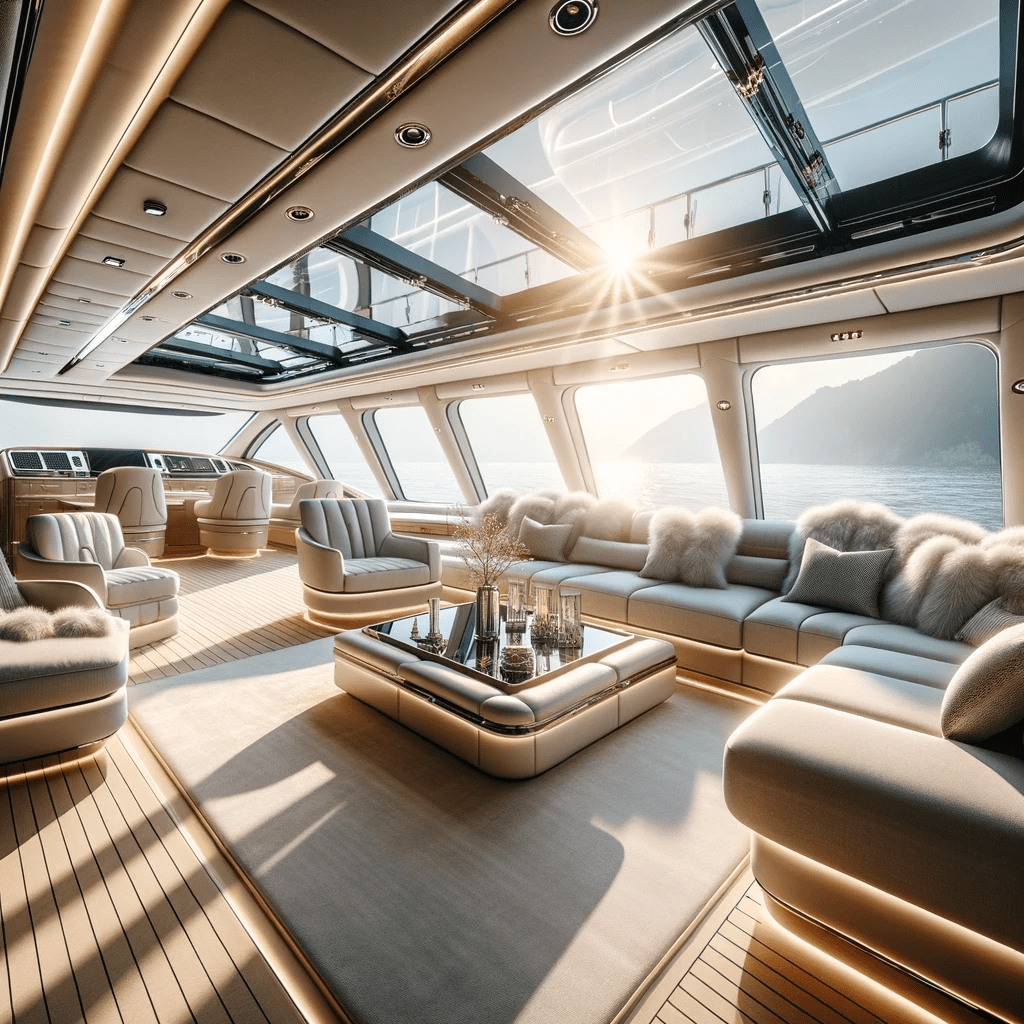
Premium vessels require film selection and installation that respects the finish, appearance and value of the boat. Film choice should balance comfort, privacy and visual presentation.
Best for:
Luxury yacht glazing
Large marine glass panels
Guest cabins
Living areas
Premium interior fit-outs
Enclosed helm stations
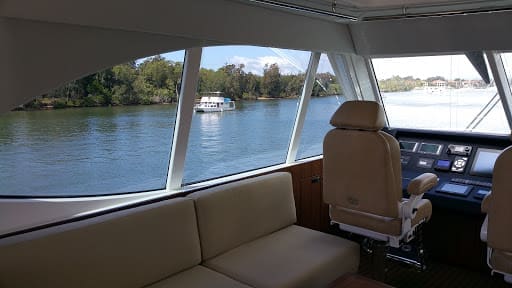
Glare control is critical around helm stations. The right film can reduce harsh light while maintaining suitable visibility and comfort.
Best for:
Reduced glare at the helm
Instrument glare reduction
Enclosed bridges
Forward-facing glass
High-glare zones
Marina-facing privacy glass
Marine privacy film can reduce visibility into cabins and living areas during daylight hours, especially when vessels are moored in busy marinas.
Best for:
Marina privacy
Cabin discretion
Side glass
Saloon areas
Overnight stays
Film selection
The right film depends on the vessel and glass
Not every film is suitable for every marine application.
Before recommending a marine window film, Ultra Tint considers:
Glass type and construction
Whether the glass is flat, curved or complex
Direction and exposure
Internal heat buildup
Existing glass condition
Privacy requirements
Visibility requirements
Interior materials and UV sensitivity
Salt, moisture and maintenance conditions
The visual style of the vessel
Choose your marine film for visibility, heat and glare control, privacy and suitability for your glass, as well as how it looks.
Heat reduction films help reduce solar heat entering through exposed marine glass. They are useful in cabins, saloons and enclosed areas that become uncomfortable in direct sun.
Best for:
Cabin comfort
Enclosed saloons
Queensland summer conditions
Reducing heat buildup
Improving passenger comfort
Glare reduction films
Glare reduction films help reduce harsh light from direct sun and water reflection. They are especially useful in exposed marine environments.
Best for:
Helm areas
Forward-facing glass
Side glass
Reducing eye strain
Improving comfort during bright conditions
Privacy films
Privacy films reduce visibility into the vessel during daylight hours. They are useful for marina-facing glass, cabins and living areas.
Most privacy films work best during daylight. At night, if the inside of the vessel is brighter than outside, privacy may be reduced.
Best for:
Marina privacy
Cabins
Saloon glass
Side windows
Overnight comfort
UV protection films
Most quality window films block a very high percentage of ultraviolet light, helping reduce fading and deterioration of upholstery, timber, flooring, electronics and interior finishes.
UV protection helps slow fading. It does not stop fading completely, because heat and visible light also contribute.
Best for:
Marine upholstery
Timber finishes
Cabin interiors
Electronics and displays
Premium fit-outs
Recent marine work
Marine film should feel refined on the vessel, not added as an afterthought
Premium marine glazing with a clean, refined finishComfort-focused film selection for marine glassCareful installation around premium marine interiors
Project flow
Our marine tinting process
1
Vessel assessment
We inspect the glass, access, exposure and required result before recommending a film.
2
Film recommendation
We recommend film options based on heat, glare, privacy, appearance, visibility and glass compatibility.
3
Clear quote
You receive a clear quote outlining the film, glass areas, access requirements and expected installation approach.
4
Installation planning
We plan access, work areas and timing around the vessel, marina requirements and any site limitations.
5
Professional installation
The film is installed using careful preparation, precision tools and clean work practices suited to marine environments.
6
Aftercare guidance
We explain drying times, cleaning requirements and what to expect while the film cures.
How much does marine window tinting cost?
Marine window tinting pricing depends on:
Total glass area
Film type
Glass shape and curvature
Access difficulty
Number of individual panes
Whether old film needs to be removed
Marina or site access requirements
Installation complexity
Small marine tinting jobs may start from a few hundred dollars, while larger boats, yachts and complex marine glass installations can vary significantly.
The most accurate way to price marine tinting is with an inspection and measured quote. This ensures the right film is specified and the installation is planned properly.
Can marine window tint reduce glare?
Yes. Glare reduction is one of the most common reasons for marine window tinting.
Water reflection, direct sun and light entering through angled glass can make cabins and helm areas uncomfortable. The right film can reduce harsh light while maintaining a practical level of visibility.
Film selection should always consider the way the vessel is used.
Can marine tinting improve privacy?
Yes, during daylight hours.
Privacy film can reduce visibility into cabins, saloons and living areas while the vessel is moored or in use. At night, privacy can be reduced if the interior is brighter than outside.
The right film should balance privacy, appearance and visibility.
Can marine window tint protect interiors from fading?
Yes. Quality window film can reduce UV exposure, which helps slow fading and deterioration of marine upholstery, timber, flooring and interior finishes.
No film can stop fading completely because heat and visible light also contribute. However, UV protection is one of the strongest practical benefits of marine window film.
Why choose Ultra Tint for marine window tinting?
Ultra Tint brings premium film knowledge, technical installation experience and careful workmanship to marine window tinting across the Gold Coast.
Our work is backed by:
Premium film options, including 3M products
Extensive industry experience
Technical understanding of glass and film compatibility
Clean, careful marine installation
A 100% workmanship guarantee
Residential, commercial and marine tinting expertise
Experience working on high-value glass and premium finishes
We do not recommend a film simply because it is dark, cheap or easy to sell. We recommend the film that suits the vessel, the glass and the outcome required.
Marine projects demand more care
Marine glazing often sits close to electronics, upholstery, timber finishes and tighter access points than a typical land-based job.
We plan and carry out your installation carefully around electronics, upholstery and timber finishes, with attention to access, appearance and film performance.
FAQs
Does marine window tinting reduce heat?
Yes. The right marine window film can reduce solar heat entering through boat and yacht glass. The result depends on the film selected, the glass type, sun exposure and vessel layout.
Can window film reduce glare on boats?
Yes. Glare reduction is one of the main reasons marine window film is installed, especially around cabins, saloons and helm areas.
Can marine tint improve privacy at a marina?
Yes, during daylight hours. Privacy films can reduce visibility into the vessel, but privacy may be reduced at night when the inside is brighter than outside.
Is marine tinting suitable for curved glass?
Often, yes, depending on the shape, access and film selected. Curved marine glass should be assessed before confirming suitability.
Does window film protect boat interiors from fading?
Window film helps reduce fading by blocking ultraviolet light and reducing heat and visible light exposure. It slows fading but cannot stop it completely.
Do you remove old marine window film?
Yes. Old film can usually be removed, although removal time depends on age, adhesive condition, access and glass type.
Is marine window tinting covered by warranty?
Product and workmanship warranty details depend on the film selected and application. Ultra Tint provides clear guidance before installation.
Related guides and links
Best Window Film for Heat Reduction in Queensland
Compare performance-first film options for marine and architectural glass.
If your boat, yacht or marine glass is too hot, too bright or lacking privacy, Ultra Tint can inspect the glass and recommend the right film for the job.
Book a marine tinting quote and get a clear recommendation before committing to the work.